Synchronization Protocols Drive Seamless Integration in Mobile Sports Betting and Virtual Gaming Environments
Written by Zoe Hansen · Nov 4, 2026
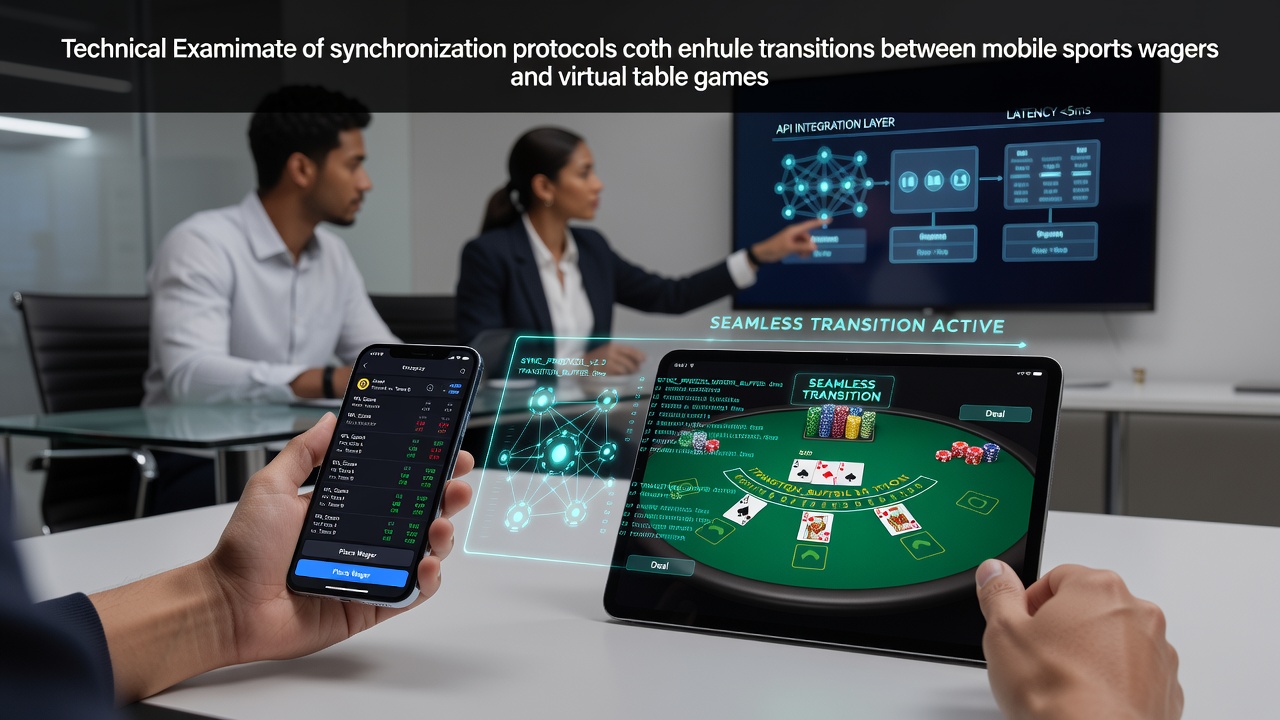
Synchronization Protocols Drive Seamless Integration in Mobile Sports Betting and Virtual Gaming Environments
Modern mobile platforms rely on synchronization protocols to manage transitions between sports wagers and virtual table games, and these systems handle data exchange across separate modules without interrupting user sessions or losing transaction records. Developers implement protocols that coordinate real-time odds feeds with game engines so that account balances update instantly when a player switches from placing a wager on a live event to entering a virtual blackjack table, and the architecture ensures both activities draw from the same secure ledger maintained on backend servers.
Core Components of Synchronization Protocols
Protocols operate through layered APIs that link sports betting engines with casino game servers, while data packets travel via encrypted channels that maintain session continuity and prevent desynchronization during high-traffic periods. Research indicates that timestamp alignment and state replication form the foundation of these systems, allowing platforms to preserve bet history and game progress even when network conditions fluctuate. Observers note that protocols often incorporate conflict-resolution algorithms which reconcile discrepancies arising from concurrent actions, such as a live sports bet settling at the same moment a virtual table round concludes.
Technical Mechanisms in Practice
Engineers deploy WebSocket connections alongside RESTful endpoints to push updates from sports data providers directly into unified player profiles, and these connections enable virtual table games to access the same balance information without requiring separate authentication steps. Data shows that platforms using hybrid synchronization models achieve lower latency during switches, because cached states load from local memory while full verification occurs in the background. According to findings from industry technical reviews, error-handling routines automatically trigger rollback procedures if a transition encounters packet loss, thereby protecting wager integrity across both sports and table game environments.
Regulatory Frameworks Shaping Protocol Standards
Regulatory bodies across multiple jurisdictions require synchronization protocols to meet strict audit standards that verify transaction accuracy and player protection during activity switches. The Nevada Gaming Control Board maintains guidelines that compel operators to demonstrate seamless data continuity in testing environments before approving mobile applications for public release. Platforms must log every state change during transitions, and these records undergo periodic examination to confirm compliance with fairness and security mandates. In Canada, iGaming Ontario applies similar oversight that emphasizes protocol resilience under simulated load conditions, ensuring that virtual table outcomes align precisely with sports betting ledgers when players move between modules.
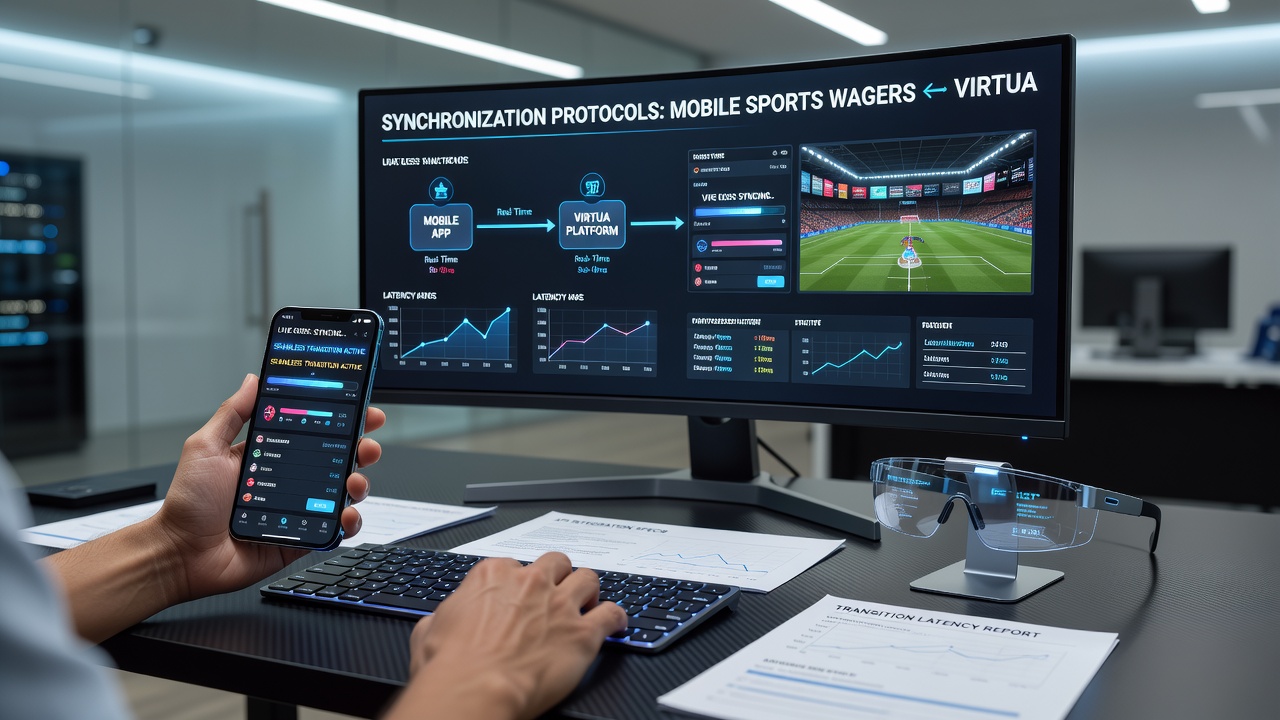
Studies conducted by academic researchers at institutions focused on digital gaming systems reveal that standardized protocol specifications reduce integration errors when multiple game types operate on shared infrastructure. These investigations examine how timestamp synchronization and cryptographic verification prevent manipulation during cross-module activity, and the results highlight measurable improvements in session stability across tested environments. As of November 2026, several operators have reported successful deployment of updated protocol versions that incorporate machine-learning elements to predict and preempt potential desync events before they affect users.
Implementation Examples Across Platforms
Take one major operator that integrated synchronization protocols into its mobile application during a platform-wide upgrade, allowing players to move from live sports markets into virtual roulette without reloading account data or re-entering credentials. Documentation from that rollout indicates that transition times dropped below two seconds on average, while transaction logs remained intact across both segments. Another case involved a regional platform that adopted open-source synchronization libraries to connect its sports betting feed with virtual table offerings, resulting in unified reporting that satisfied local regulatory reporting requirements without additional manual reconciliation steps.
Challenges Addressed by Protocol Design
Network variability poses ongoing challenges that protocols mitigate through adaptive buffering and redundant data pathways, ensuring that a dropped connection during a sports wager does not corrupt ongoing virtual table sessions. Security protocols embed multi-factor checks that validate player identity at each transition point, and these measures align with broader industry efforts to combat fraud across integrated gaming environments. Observers note that ongoing refinements continue to address edge cases involving simultaneous multi-game participation, where synchronization must manage overlapping settlement events without introducing delays or inconsistencies.
Conclusion
Synchronization protocols form the operational backbone that enables fluid movement between mobile sports wagers and virtual table games while preserving data accuracy and regulatory compliance. Continued development in this area draws from advances in distributed systems and real-time computing, with implementation guided by standards set by bodies such as the Nevada Gaming Control Board and iGaming Ontario. Data from recent deployments confirms that these protocols support expanding mobile ecosystems where users expect uninterrupted access across diverse gaming formats.