Virtual Dealer Dynamics: The Algorithms Driving Multi-Language Live Streaming Interactions
Written by Zoe Hansen · Oct 7, 2026
Virtual Dealer Dynamics: The Algorithms Driving Multi-Language Live Streaming Interactions
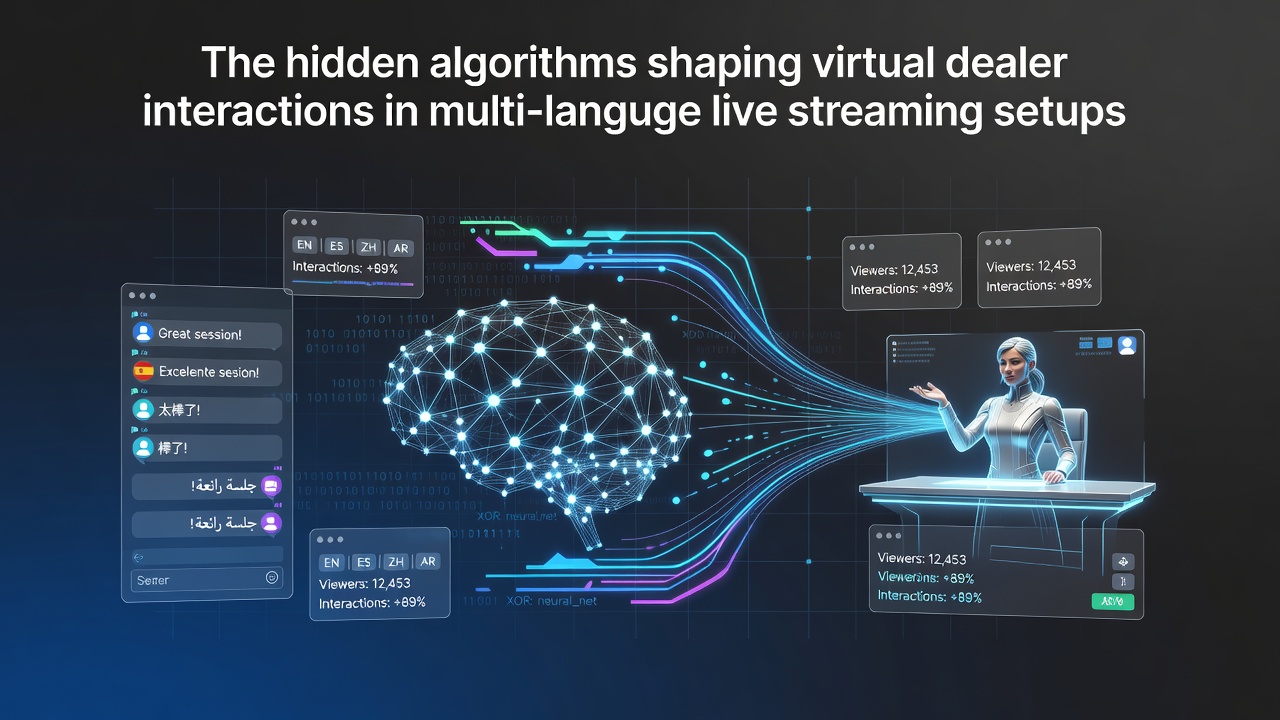
Live streaming platforms that feature virtual dealers rely on layered algorithms to manage real-time interactions while supporting multiple languages at once, and these systems coordinate speech recognition, translation engines, and response generators to maintain game flow across global audiences. Developers integrate natural language processing models that detect player inputs in various tongues then route them through centralized decision trees, which determine appropriate dealer replies based on game rules and context. In October 2026 regulators in several jurisdictions began reviewing how these same models handle fairness when language switches occur mid-session, since timing lags can affect player decisions during card reveals or bets.
Core Components of Interaction Algorithms
At the foundation sit speech-to-text converters that process accents and dialects from regions spanning Asia, Europe, and the Americas before passing cleaned transcripts to translation layers. Those layers apply transformer-based models trained on gaming-specific corpora, which allows the system to preserve terms like "hit" or "stand" without distortion while adapting surrounding dialogue for cultural nuances. Once translated, intent classifiers map the input to game actions, triggering animations or verbal confirmations from the virtual dealer avatar. Observers note that synchronization modules then align audio output with lip movements and gesture data to avoid noticeable desyncs that could break immersion.
Language Adaptation and Latency Management
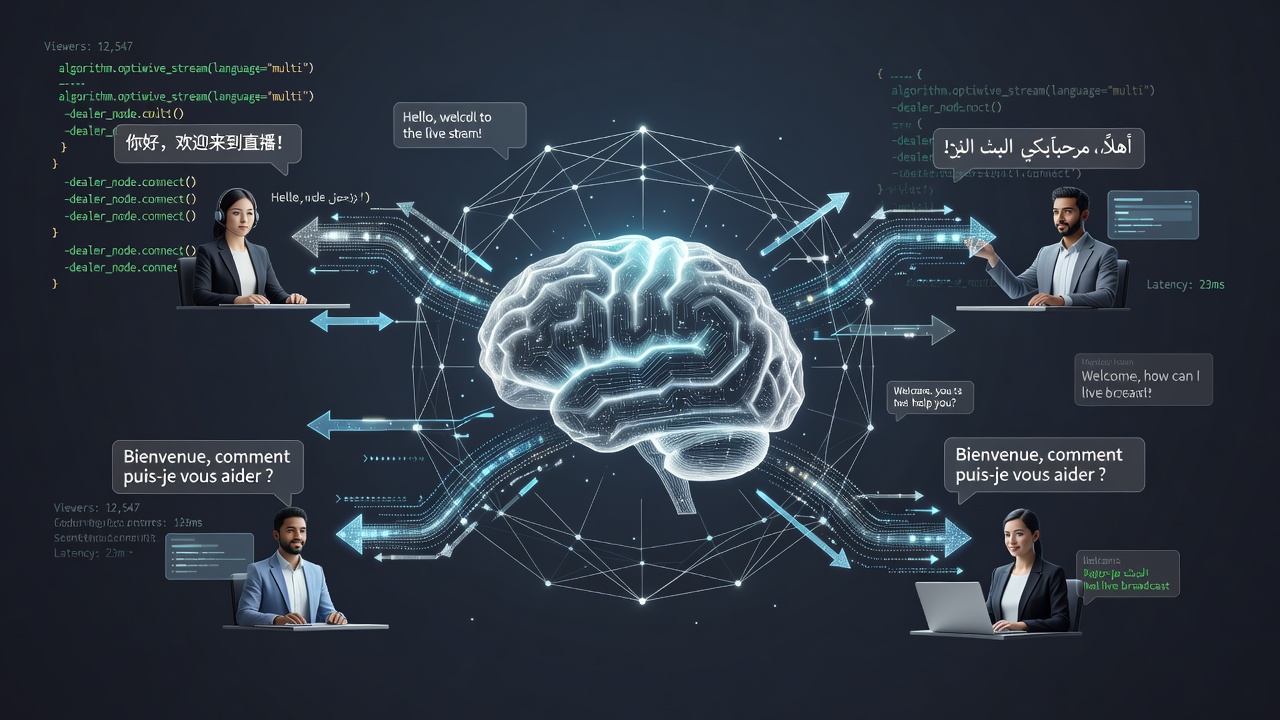
Multi-language setups demand parallel processing pipelines because players may switch languages within the same session or join tables where others speak different tongues. Algorithms prioritize low-latency paths for high-traffic languages while queuing less common ones, yet they still maintain consistent game state across all participants through shared backend databases. Research indicates that edge computing nodes positioned near major player clusters reduce round-trip times by routing translations locally before syncing with the central dealer engine. When October 2026 updates rolled out in select markets, operators reported measurable drops in complaint volumes tied to misunderstood instructions after these nodes expanded.
Predictive Modeling for Player Engagement
Beyond translation, engagement algorithms analyze betting patterns and chat frequency to adjust dealer tone and pacing without altering core game mechanics. These models draw from historical session data to forecast when a player might need clarification or encouragement, then insert neutral phrases that fit the ongoing round. Experts have observed that reinforcement learning loops refine these insertions over time, rewarding sequences that keep participation rates stable across language groups. Data shows that platforms deploying such predictors experience steadier retention metrics, particularly during peak evening hours when cross-regional traffic peaks.
Regulatory Scrutiny and Certification Pathways
Gaming authorities require independent audits of the underlying code to verify that language handling does not introduce unintended biases in payout timing or rule explanations. According to a report from the Malta Gaming Authority, certification now includes stress tests that simulate simultaneous inputs in five languages to measure consistency in dealer responses. In parallel, industry groups such as the Canadian Gaming Association have published guidelines encouraging operators to document how algorithms flag and escalate ambiguous player requests to human supervisors when needed. Those who've studied certification files note that October 2026 brought tighter requirements around audit trails for translation accuracy, pushing developers to log every model version deployed during live sessions.
Future Integration Trends
Emerging work at institutions like the University of Nevada, Las Vegas explores combining computer vision with language models so virtual dealers can interpret player gestures alongside spoken words, creating more fluid tables for mixed-language groups. Early prototypes demonstrate reduced need for explicit chat commands when the system correctly reads nods or hand signals across cultures. As adoption grows, these additions could further compress decision cycles while preserving regulatory compliance around transparency. Figures from academic pilots reveal that combined vision-language models cut average clarification requests by nearly a third in controlled tests.
Conclusion
The algorithms operating behind virtual dealer streams continue to evolve through iterative testing and regulatory feedback, shaping how players experience live games regardless of their primary language. Continued investment in synchronization tools and predictive components supports broader accessibility while meeting oversight standards set by bodies across multiple continents. Those monitoring the sector expect further refinements in October 2026 and beyond as new certification frameworks take hold.